

Red Bull Stratos: The Jump That Puts Us On The Path To Dreaming Again
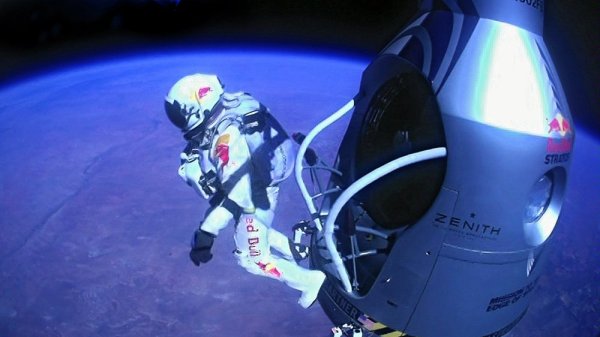
"NASA, as best as I can judge, is a force of nature like none other." Neil deGrasse Tyson, 2010.
On November 20th 1998, the first components of the International Space Station were launched, beginning the mission that continues to this day. This was the last time that many of us were excited about the exploration of frontiers beyond our grasp. As Dr. Tyson so eloquently said: "We stopped dreaming."
NASA Developing X1 Exoskeleton To Keep Astronauts Fit In Space
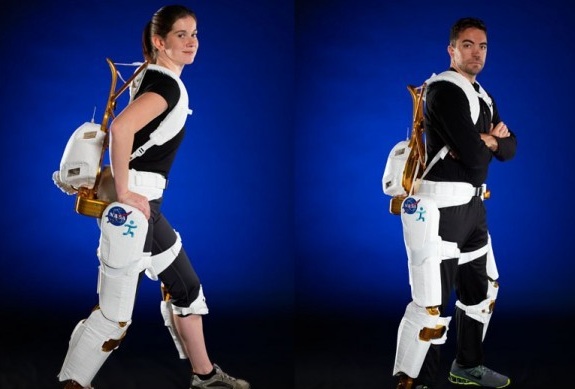
NASA and the Florida Institute for Human and Machine Cognition (IHMC) with help from Oceaneering Space Systems of Houston have developed a robotic exoskeleton called X1, that can be worn by a person to either assist or inhibit movement in their legs.
'Diamond Planet' Discovered By Researchers At Yale
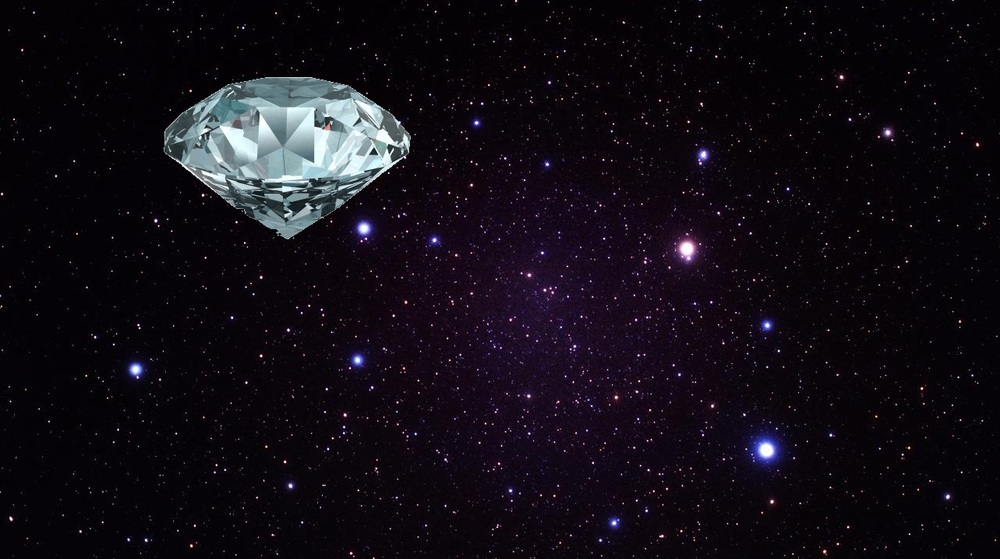
Get ready to grab your trusty pickaxes, new research led by Yale University indicates the planet last year assumed to have a similar chemical make-up to Earth is in fact a diamond planet; home to graphite, diamond and iron rather than water and granite. At least a third of the planet’s mass – the equivalent of three Earth masses – could be solely diamond, according to the study.
The World’s Most Powerful Lasers Set To Tear Apart The Vacuum Of Space-Time Itself
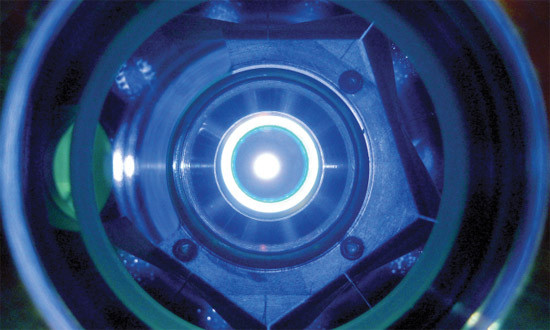
Hoping to conjure enough energy that it ought to be able to pull “virtual” particles out of the vacuum of space-time – quantum mechanics implies that space-time can never truly be ‘empty’ – the Extreme Light Infrastructure (ELI) project is an undeniably tantalising (yet mind-numbingly complex) prospect.
Researchers Devise Test To Determine If We're Living In 'The Matrix'
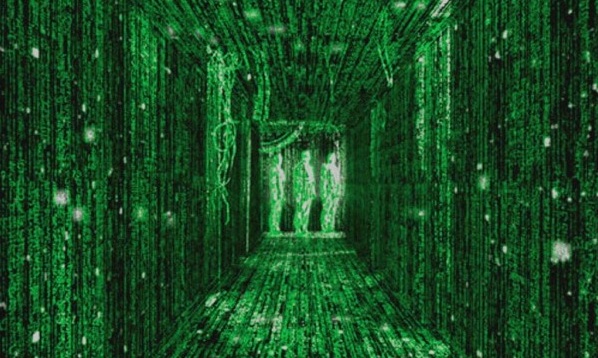
Are we living in a computer simulation right now? If so, the human race would be completely oblivious to a programmed existence. That is until now, as University of Bonn nuclear physicist Silas Beane and his colleagues have devised a test that exploits a key feature of simulations; the existence of an underlying lattice construct by finding its end points or edges.
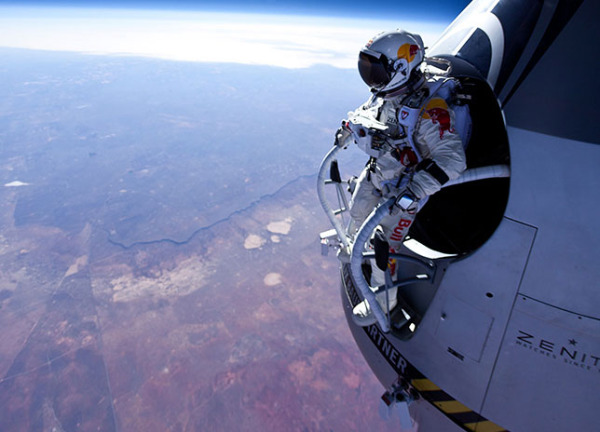
Red Bull Stratos LIVE. Watch The Freefall From The Edge Of Space Here
Felix Baumgartner will attempt the world's first supersonic free fall from the edge of space, and we will be showing the whole thing live from 1:30pm GMT.
“Cyborg Lobsters” Used To Power Digital Watch
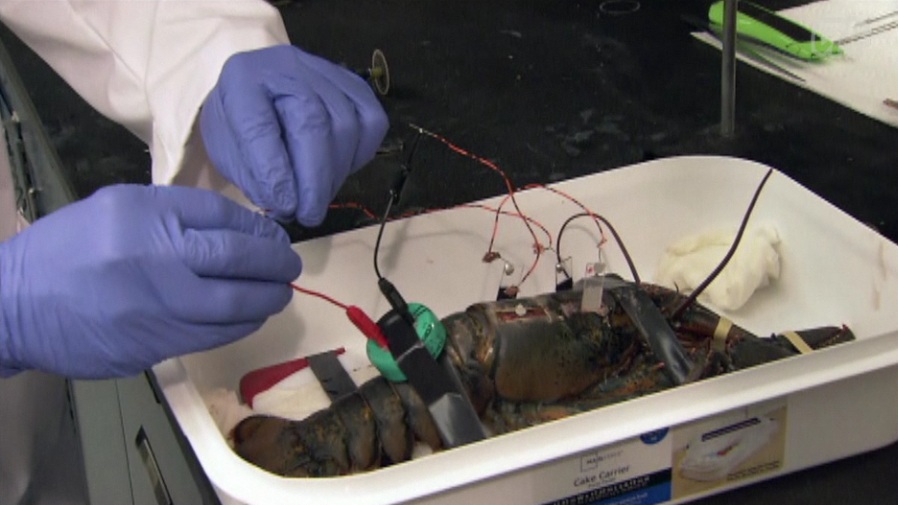
Scientists at Clarkson University and the University of Vermont College of Medicine have used what they’re referring to as ‘cyborg lobsters’ to demonstrate living organisms can ably and efficiently produce enough voltage to power small electrical devices.
U.S. Army Looks To Videogames To Help Diagnose PTSD

The U.S. Army has awarded contracts (of around $100,000) each to three separate private companies in a bid to create “the highest quality” videogames designed to be able give indications of a soldiers’ mental health in the hope the data could be used to diagnose such conditions as Post-Traumatic Stress Disorder (PTSD).
NASA Probe Captures Earth's "Song"
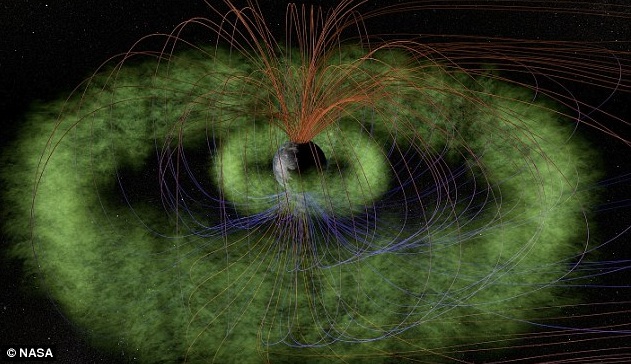
In space no-one can hear you scream? Maybe, but you can hear planet Earth sing with the right equipment.
Inspired By Star Trek: Fusion Impulse Engine In The Works

Star Trek was indisputably ahead of its time. Not more than a week goes by where we’re not talking about some other push in research destined to bring us new technology on par with the popular science-fiction show. We’ve already seen the X Prize Foundation offer up a $10 million reward to the inventor of a medical ‘tricorder’, marvelled at the feasibility of ‘warp drive’, and revelled in the hope the USS Enterprise may one day be reproduced. Now, aerospace engineers are busy at work in making fusion impulse rocket engines a reality.
Artificial Intelligence Advances Being Led By Honey Bee Research
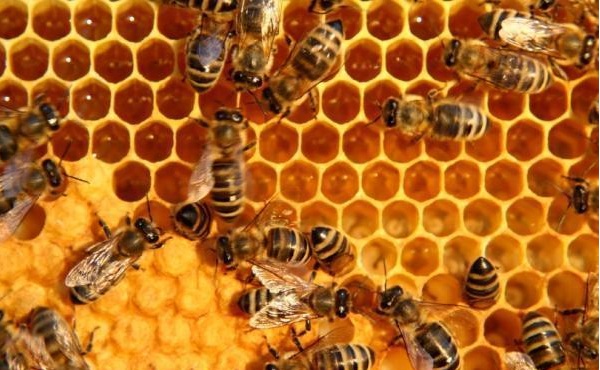
As part of a £1 million research project designed to advance the understanding of artificial intelligence systems, scientists from the Universities of Sheffield and Sussex are studying the brains of honey bees in the hope the results will eventually lead them to create a flying robot with artificial brain able to make decisions, think and act like a bee typically would.
Scientists Invent Electronic Circuits That Dissolve In The Body
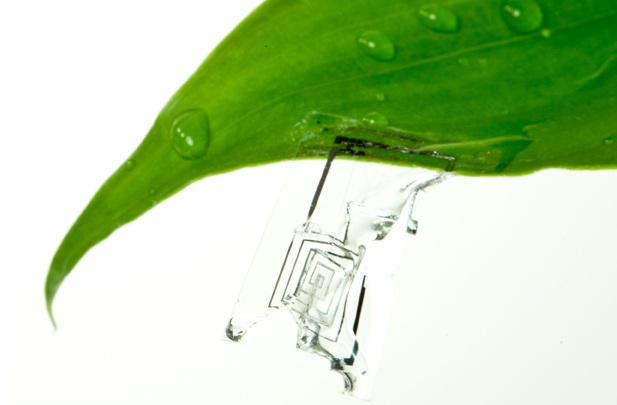
Scientists based at the University of Illinois have developed ultra-thin electronic devices that, after an initial latency period, simply melt away into the body. Described in the journal Science, the technology has already been used to heat a wound in order for it to remain infection-free from bacteria.
NASA's Curiosity Finds Evidence Of Water Stream On Mars
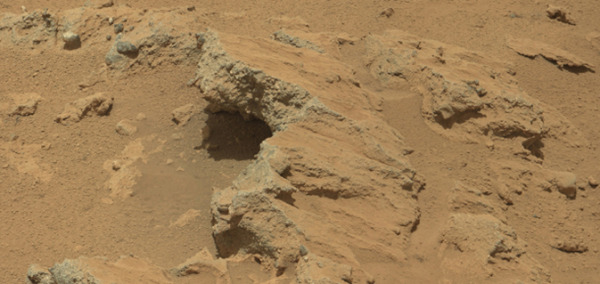
NASA's Curiosity rover has discovered an ancient stream bed, revealing evidence of running water and possible life on Mars.
Hubble Captures Deepest View Of Space Ever
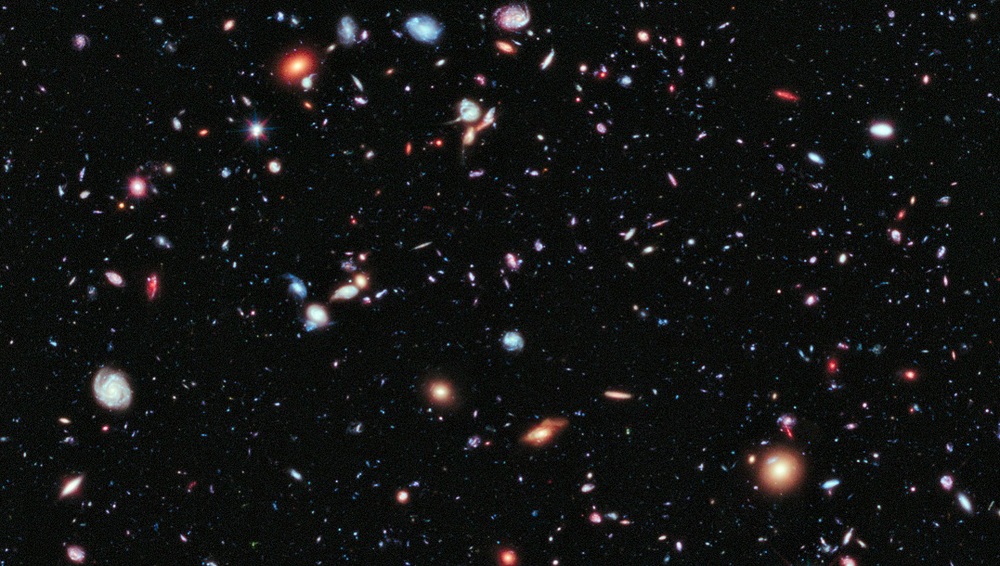
What you’re seeing above is the most zoomed-in photograph ever created. Dubbed the Xtreme Deep Field (or XDF for short), the photo is a follow-up to the Hubble Ultra-Deep Field photo created late-2003 and is composited from over 10 years’ worth of data, and one that combines over 2000 images of a small window of deep space.
Modern Day 'Ark' Is Designed To Withstand Massive Natural Disasters
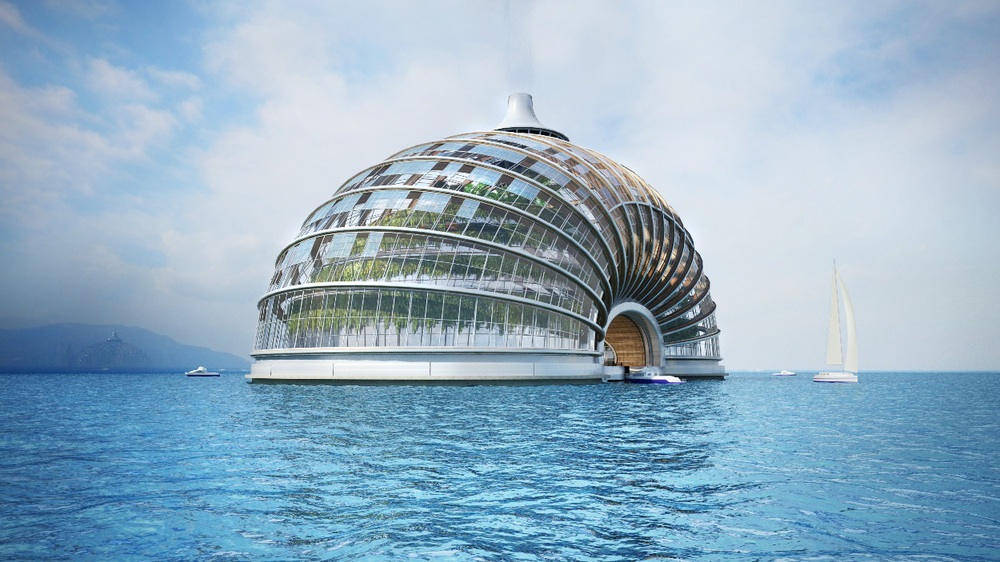
Taking inspiration from the vessel that Patriarch Noah uses to save himself, his family and two of every animal species known to man from a devastating flood, Russian design studio Remistudio has designed a quite phenomenal floating ‘biosphere’ hotel concept named ‘The Ark’ that could withstand epic natural disasters of Noah proportions.
Warp Drive Is More Feasible Than First Thought, According To NASA Scientists
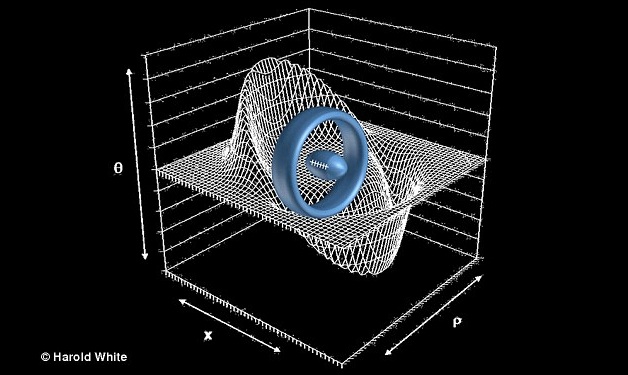
‘Warp drive’ – a concept popularised in our favourite sci-fi shows such as Star Trek – is not as unrealistic as it was first believed, according to top scientists from NASA. They say there is a distinct “hope” that we can reach faster-than-light travel in years to come following ‘breakthroughs’ in warp drive theory.
Nanoengineers Show It's Possible To Print 3D Microstructures In Seconds
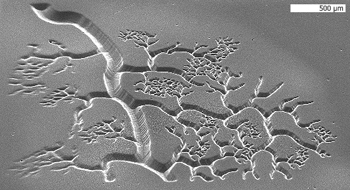
Once just a pipe-dream - the like of which our favourite science-fiction shows made their own - nano-engineers at the University of California have managed to create technology that can replicate micro-scale 3D structures out of bio-compatible hydrogels, and it can all be done in seconds, paving the way toward 'printable' body tissue.
Microbiologist Uses Bacterial Growth To Recreate Famous Portraits

“During my graduate research I invented a new medium,” so says microbiologist-turned-'visual artist' Zachary Copfer. In fact, what he's managed to invent is something quite remarkable, developing entire images using only bacteria.
Police Could Soon Create CG Image Of A Suspect Using DNA Alone
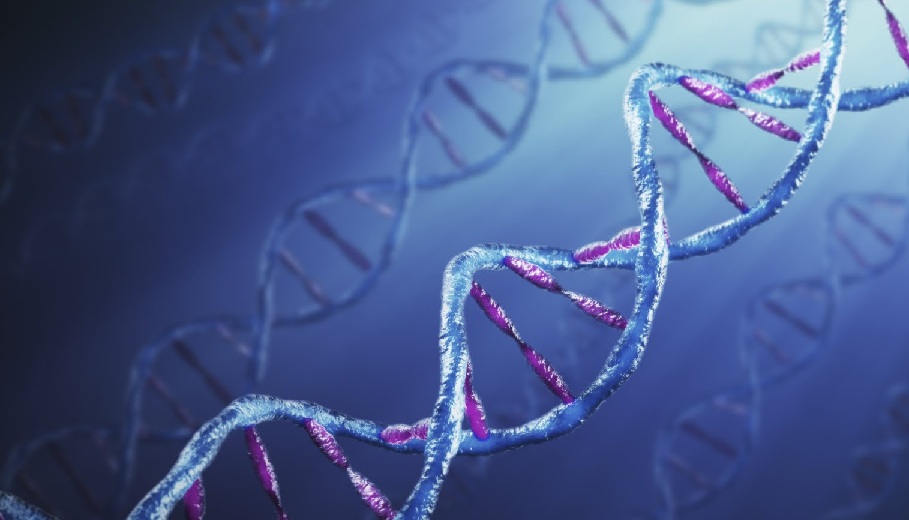
Following advances in the identification of genes associated with how someone looks, it is soon hoped police will be able to reconstruct the shape and identify key facial features of a suspects' face from their DNA alone.
Alcohol Art: Booze Put Under The Microscope
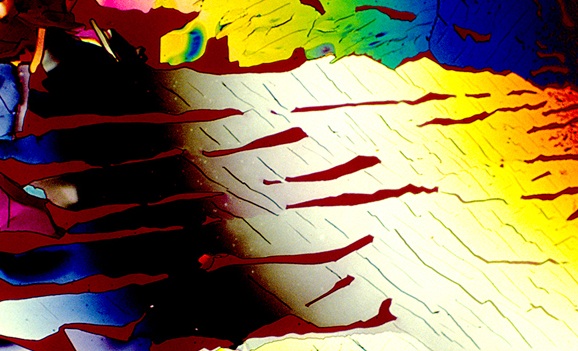
With swathes of colour and bright, vivid ribbons of light filling the canvas, you'd be forgiven for thinking the pictured image above is a piece of modern artwork drawn from a painter's palette. Instead, it's a photograph of an alcoholic beverage under microscope – this particular one being The Dude's favoured White Russian cocktail – from a series called BevShots.